


Reasons to Upgrade Your Roof Before Selling Your Home
When considering selling a home, homeowners often focus on interior upgrades or landscaping improvements. However, upgrading the roof is an investment that can have significant impacts on the selling process. A new roof can enhance property value, attract more prospective buyers, and improve marketability. Furthermore, it ensures the structural integrity and safety of the home, benefits that extend beyond aesthetics. This article explores the compelling reasons why upgrading your roof before selling your home could be one of the best pre-sale investments you make.
1. Increase in Property Value
1.1 Understanding Property Valuation
The valuation of a property hinges significantly on its structural soundness, and a new roof plays a crucial role in this assessment. Appraisers take into account the age, material, and condition of a roof when determining a property's worth. An upgraded roof can elevate the home's appraisal value by addressing these key factors. Additionally, modern roofs often come with warranties that further assure their longevity, thus providing yet another point of value during an appraisal. Ultimately, a well-maintained roof bolsters the home's overall appeal, translating into enhanced market value.
1.2 Buyer Perceptions of Quality and Durability
Buyers today are more informed and cautious about the homes they purchase. A fresh, robust roof signals to potential buyers that the property is well-maintained and that long-term durability is a guarantee. This perception is crucial, as it distinguishes your home from others with aging or neglected roofs. Moreover, the promise of not having to deal with immediate replacement or repairs after purchase is a significant draw for discerning buyers. Thus, the installation of a new roof can greatly influence buyer interest and confidence.
1.3 Comparative Market Advantage
A new roof provides a competitive edge in the housing market, setting the property apart from others still sporting older roofing systems. This improvement not only enhances the property’s value but also its appeal, making it more attractive to potential buyers. When homes within a similar price bracket are compared, those with recent upgrades are likely to win more favor. This aspect becomes particularly advantageous in a saturated market. Differentiating factors such as a new roof can significantly quicken the sale process and fetch a more competitive price.
1.4 Return on Investment Analysis
Investing in a new roof can offer substantial returns both in the immediate and long-term contexts. Financially, a roof upgrade can increase the selling price of a home, covering the initial investment cost. For homeowners, this could mean getting back more than what was initially spent on the roof. Furthermore, the savings achieved from preventing expensive repairs in the future can further enhance this return. Understanding this potential profit margin makes the decision to upgrade more financially viable.
1.5 Enhanced Curb Appeal
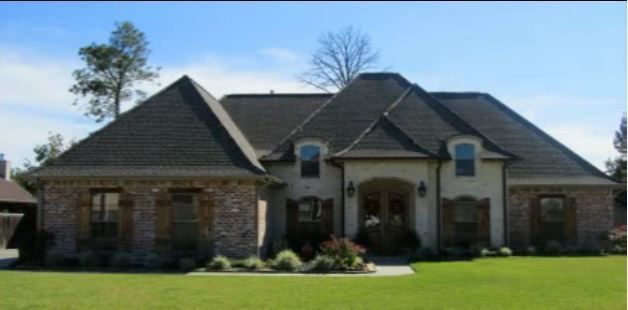
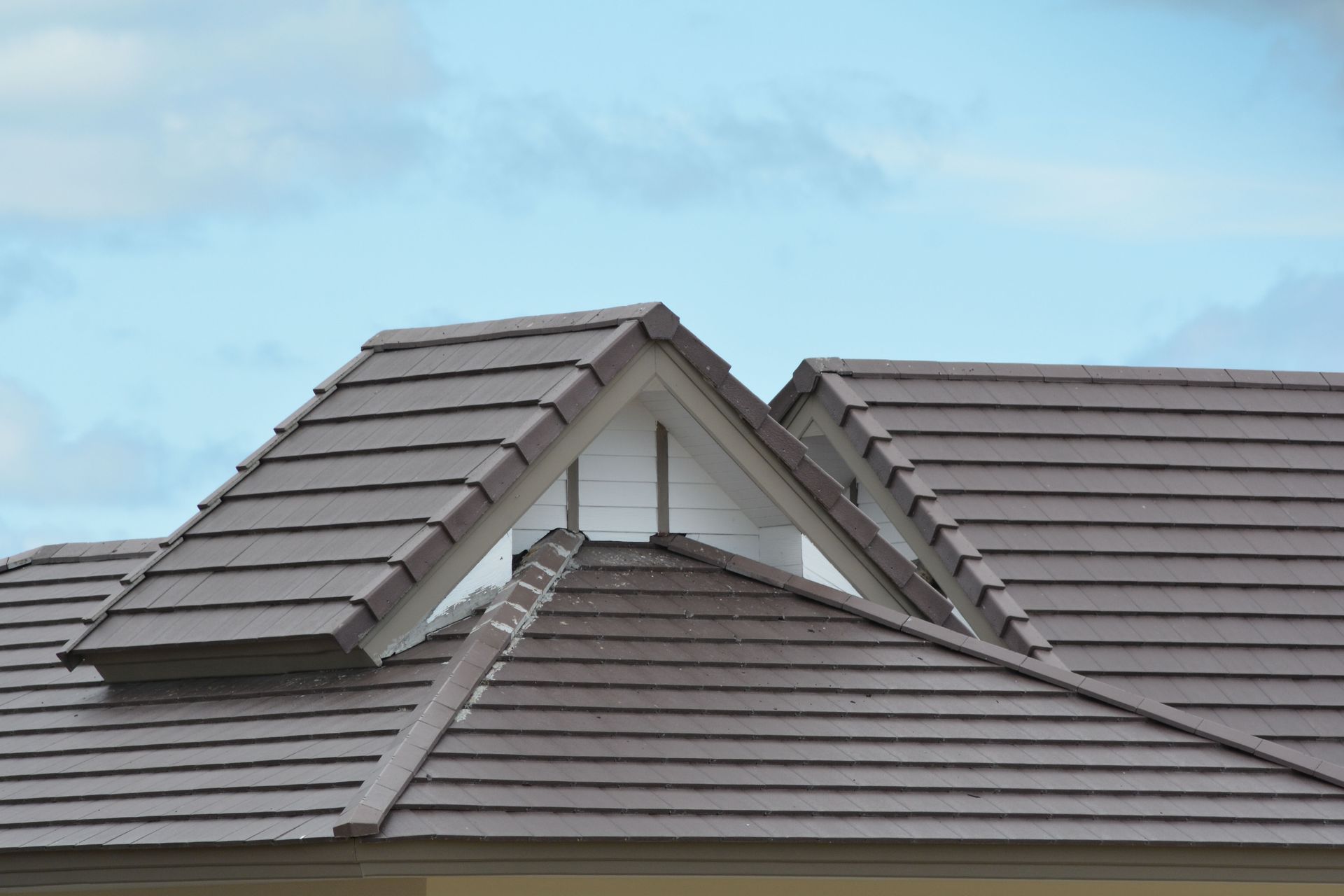
Aesthetically, a new roof contributes significantly to the home's curb appeal, a factor that plays deeply into a buyer's first impression. With current advancements in roofing materials, homeowners can choose from a variety of textures and colors that complement the overall look of the house. Aesthetically pleasing properties are not only easier to market but can also command higher asking prices. In real estate, first impressions matter immensely, and a new roof is a captivating feature that attracts attention. Enhanced curb appeal does not only translate to aesthetic benefits but also reflects the home’s condition.
2. Preventing Potential Inspection Issues
2.1 Typical Roof Inspection Points
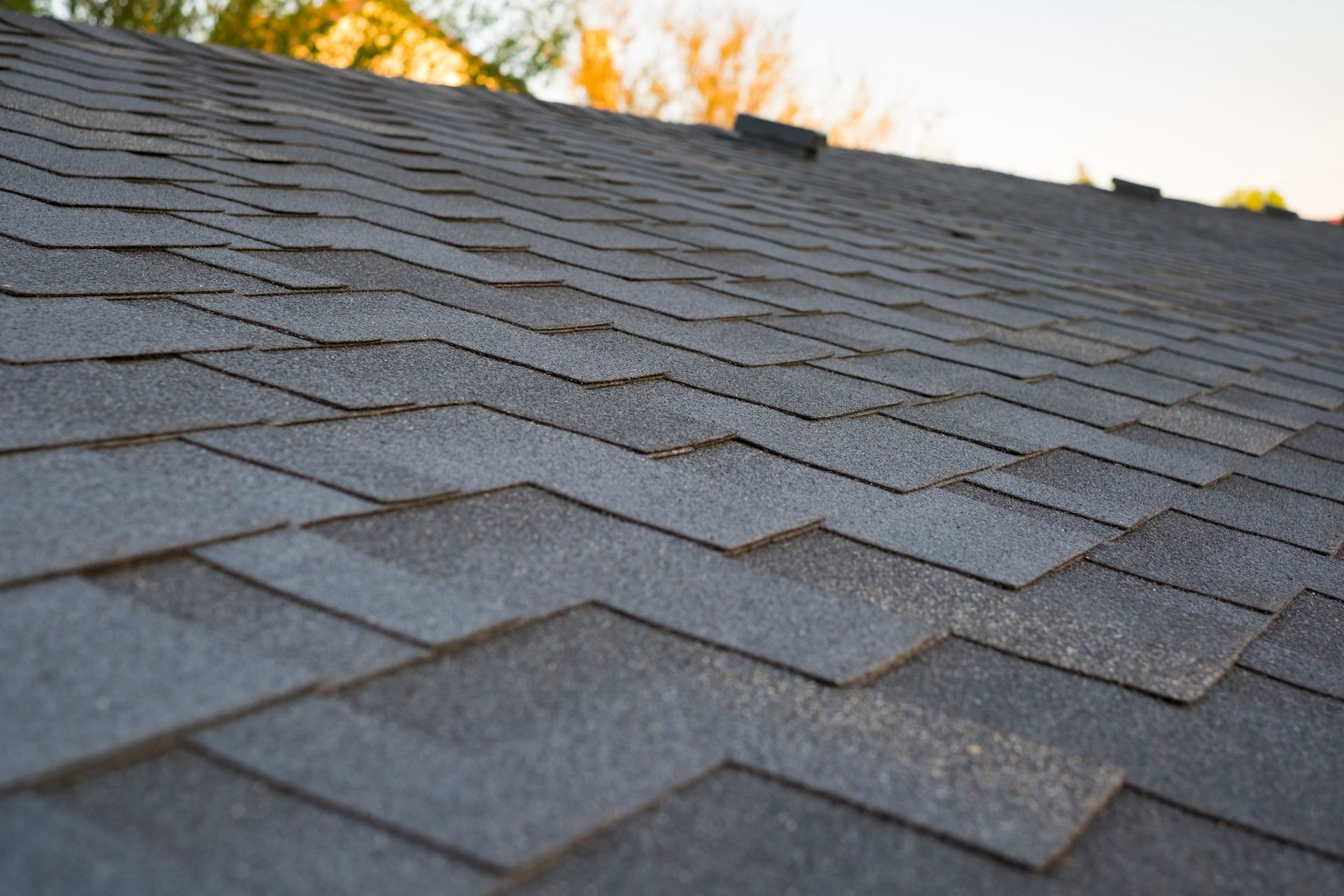
Roof inspections are an integral step in the home buying process, with inspectors scrutinizing several key points. Common aspects examined include the condition of shingles, the presence of leaks or water damage, and the integrity of the roofing structure itself. With a newly installed roof, the issues typically identified during these inspections are inherently addressed. This removes potential hurdles in the sales process, avoiding any sudden surprises. Furthermore, inspection reports that highlight a new roof can serve as a persuasive aspect attracting buyer interest.
2.2 Impact of Failing an Inspection
Failing a roof inspection can have dire consequences for the home sale, often leading to renegotiations or lost deals. When a roof is flagged as having issues, it can stall the sale process and reduce the buyer's trust in the property's overall integrity. Moreover, the need for immediate repairs can deter potential buyers and lower the home's market value. A new roof eliminates these complications, providing a smooth transition from inspection to sale. Thus, taking proactive steps in improving the roof before listing the home ensures inspection approval and maintains buyer confidence.
2.3 Avoiding Last-Minute Repairs
Last-minute repairs are often not only financially taxing but also stressful, especially when caught during a buyer's inspection. Emergency roofing fixes can be costlier due to their urgent nature and may require compromises in material choice and workmanship quality. By upgrading the roof before listing, these rushed expenses can be avoided, with quality considerations maintained throughout the installation process. Advanced planning in roofing upgrades means avoiding these crises and presenting a solid, attractive home to buyers. Such foresight ensures that sellers remain in a strong negotiation position.
2.4 Importance of Structural Integrity
The integrity of a home’s roof is fundamental to the structural safety of the entire building. An upgraded roof secures the structure against elements and prevents potential problems like leaks that could lead to significant damage. It also contributes to the overall longevity of the home, ensuring it remains safe and stable for potential buyers. Issues like moisture penetration not only affect structural integrity but can lead to costly repairs if not managed properly. A new roof secures these factors, providing a safer environment both for current and future occupants.
2.5 Negotiation Leverage
Having a new roof can provide significant leverage during price negotiations. When buyers know a home has an up-to-date roof, their attention is often redirected to other aspects rather than dwelling on potential fixes. This assurance reduces room for price haggling, placing sellers in a stronger position to command their asking price. Additionally, the peace of mind provided to buyers about the condition of the roof can simplify negotiations and hasten the sale process. A well-installed roof not only grants financial returns but also streamlines the closing procedures.
3. Energy Efficiency Improvement
3.1 Modern Insulation Techniques
Advancements in roofing technology have led to roofs that greatly enhance home insulation. Techniques such as reflective coatings and improved materials minimize energy consumption by keeping homes cooler in summer and warmer in winter. This improves not only the comfort levels but also significantly reduces utility bills. Such features are increasingly appealing to buyers, particularly those conscious of energy usage. Consequently, a roof upgrade utilizing modern insulation techniques can be a distinct selling point, highlighting the home’s efficiency.
3.2 Reduction in Heating and Cooling Costs
An effectively insulated roof contributes to lowered heating and cooling expenses, an attractive feature for potential homebuyers. Energy-efficient roofs trap the desired temperature within the home, reducing the dependency on artificial heating and cooling systems. Over time, these energy savings accumulate, presenting a cost-saving benefit to the occupants. This ecological and financial appeal significantly enhances a home’s marketability. Furthermore, the promise of reduced energy bills makes the property increasingly attractive, potentially accelerating the sale.
In conclusion, upgrading your roof before listing your home for sale emerges as an invaluable investment. It not only enhances property value and boosts market attractiveness, but also provides tangible benefits in inspections, safety, and efficiency. According to Bridger Steel, metal roofs can last 40-70 years on average. From reducing long-term maintenance concerns to facilitating faster sales, the advantages are manifold. Factoring in modern buyer preferences, economic dynamics, and safety imperatives, a new roof becomes more than just an aesthetic upgrade—it's a strategic enhancement. As such, sellers considering this investment are likely to experience positive returns both in their wallet and the satisfaction of completing a successful, efficient sale. Be sure to reach out to Pope Construction today for more information on our professional roofers!
Share On: